Case Study 1 (2021-2022)
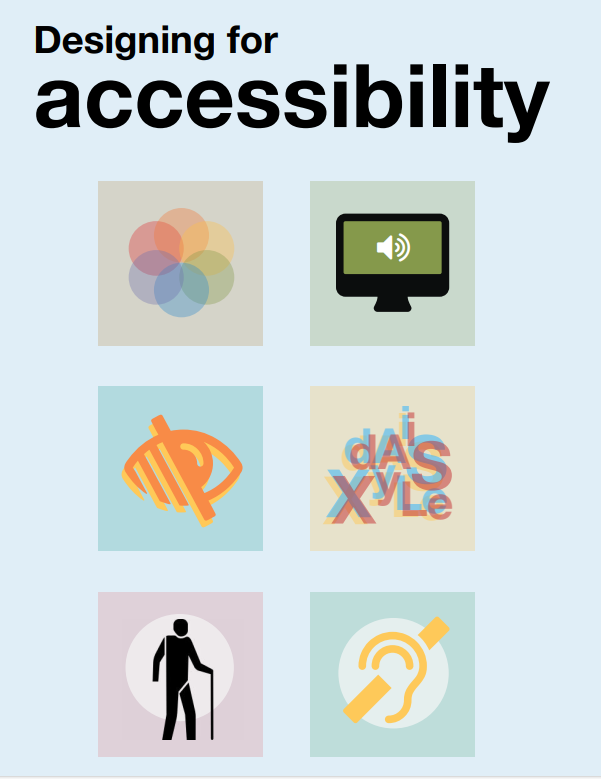
Redesigning and Enhancing Usability and Accessibility in the Ludus Project for the Police Digital Service
Client: Police Digital Service (Home Office)
Project: Ludus Project (Replacement of the Football Offender’s Reporting System)
Role: Lead User Researcher / Accessibility Specialist
Objective: The primary goal of the Ludus project was to replace the existing football offender’s
reporting system (Minerva), ensuring it offered improved usability and catered to users with accessibility issues and those using
assistive technologies.
The project aimed to meet Home Office Accessibility Standards, based on WCAG 2.1 AA and PSBAR requirements,
while following Government Digital Service (GDS) principles.
Challenges:
- Diverse User Needs: The project had to accommodate a wide range of users, including those with visual, auditory, motor, and cognitive impairments.
- Compliance: Ensuring the system adhered to WCAG 2.1 AA and PSBAR requirements.
- User Acceptance: Gaining trust and ensuring ease of use for a system with a critical public safety role.
Approach:
- User Research: Conducted in-depth user research focusing on the unique needs of users with accessibility issues. Employed methods such as interviews, surveys, and usability testing with assistive technology users.
- Engagement with Users with Disabilities: Performed user research with a number of users with disabilities to capture and reflect their needs accurately in the new system.
- GDS Principles: Followed GDS principles to ensure that the project met the high standards set by the Home Office. This included iterative development, continuous user feedback, and adhering to the "accessibility by default" philosophy.
- Accessibility Standards: Integrated WCAG 2.1 AA and PSBAR requirements into the design and development process, ensuring that all aspects of the system were accessible.
- User Research Presentation: Prepared and presented the User Research findings for the project’s GDS Assessment (Beta). This involved demonstrating how user feedback was incorporated and how accessibility standards were met.
Results:
 Improved Accessibility: The new Ludus system significantly improved usability & accessibility,
making it easier for users with disabilities to report incidents and engage with the system.
Improved Accessibility: The new Ludus system significantly improved usability & accessibility,
making it easier for users with disabilities to report incidents and engage with the system.-
Compliance Achieved: Successfully met Home Office Accessibility Standards,
ensuring legal and ethical compliance.
-
Positive Feedback: Received positive feedback from users, particularly those using assistive technologies,
highlighting the system’s ease of use and accessibility features.
-
Successful GDS Assessment: The project’s user research and adherence to accessibility standards were positively
received during the GDS Assessment (Beta).
Conclusion: The Ludus project exemplifies the importance of prioritising accessibility in digital services. By focusing on user-centred design and rigorous adherence to accessibility standards, the Police Digital Service was able to create a system that not only replaced the existing football offender’s reporting system but also enhanced usability for all users. The project's success underscores the value of thorough user research and the application of GDS principles in delivering accessible and effective digital services.